
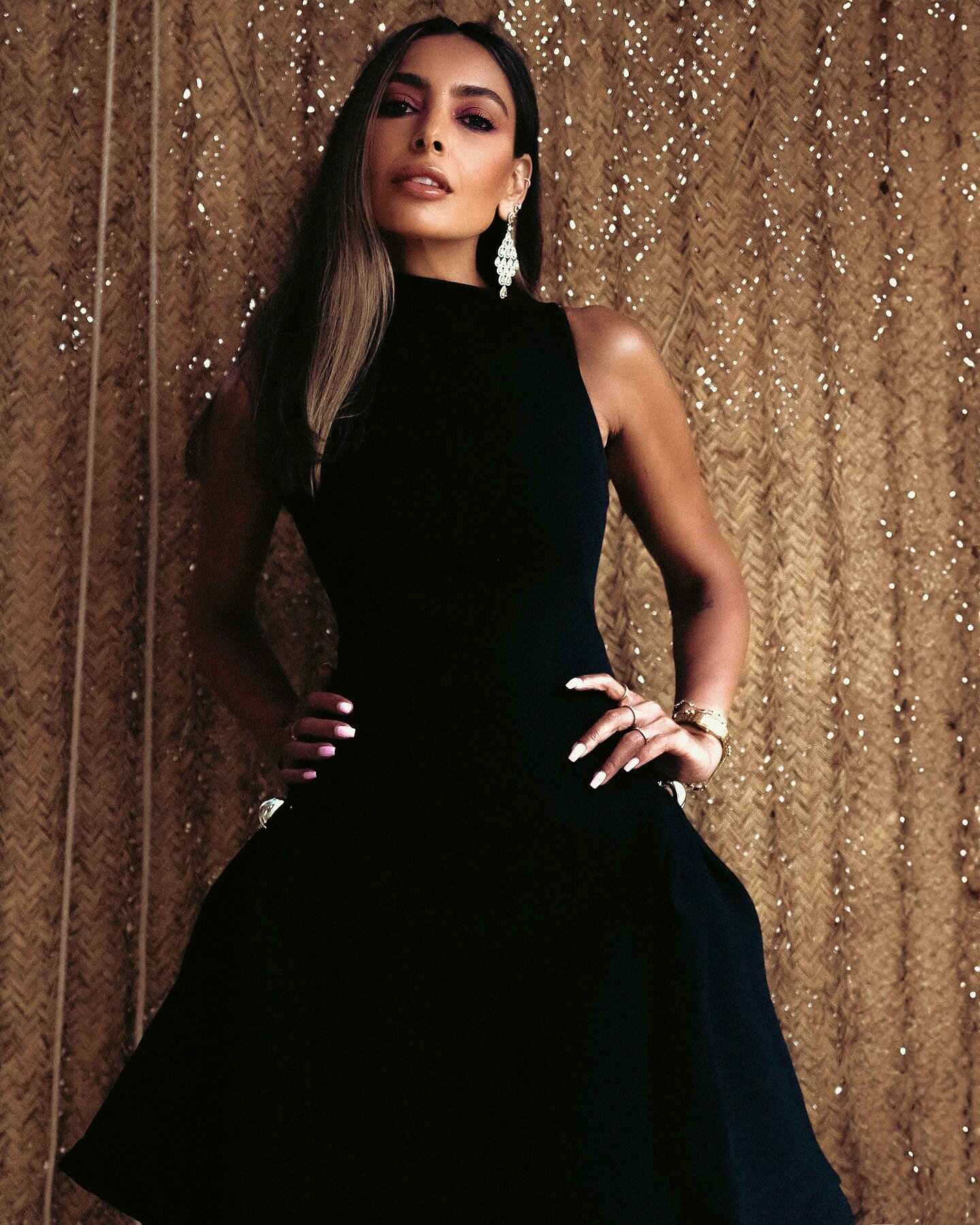
A Star of the Day with theatre in her blood
Some actors arrive on television by accident. Fatma Al Safi arrived by training. Born in Kuwait on 17 November 1981, she turns 45 today. She has spent close to two decades building one of the most quietly consistent careers in Gulf drama, moving between the stage, the small screen and the director's chair without ever abandoning the place she started.
Her story is less about a single breakout role than about range: a classically trained performer who learned her craft in academic theatre, held her own beside the region's most celebrated actresses, and has lately become a style figure in her own right.
Trained to act and to direct
Al Safi studied at Kuwait's Higher Institute of Dramatic Arts, in the Department of Acting and Directing, and graduated in 2005. That dual training matters. Many Gulf television actors come to the screen through talent, luck or family connection. Al Safi came through a conservatory, with a grounding in text, movement and stagecraft, and an understanding of how a production is built from the director's side as well as the performer's.
She began in academic theatre, the experimental, festival-driven stage that has long been the proving ground for serious Kuwaiti performers. She has also worked behind the camera as an assistant director, a reminder that her interest has always gone beyond her own part.
From the stage to the Gulf's biggest screens
Al Safi moved into television in 2007, and within two years she was working in the most-watched dramas in the region. Her early credits include Al Fateen (2008), Al Hob Al Kabeer (2009) and Khams Khawat wa Sayyad (2010).
The defining feature of her television career is the company she has kept. In Umm Al Banat (2009) she played Mounira opposite Souad Abdullah, one of the founding stars of Kuwaiti drama. In Umm Haroun (2020), one of the most talked-about Gulf series of its year, she appeared alongside Hayat Al Fahad, often described as the grande dame of Kuwaiti television. To share scenes with both women is a rite of passage. To hold attention in those scenes is something else.
She found wider recognition with Omaima fi Dar Al Aytam (2010) and Zawarat Al Khamis (2010), and built a long-running on-screen partnership with actress Shujoun Al Hajri across several television and stage productions. That pairing became one of the more recognisable double acts in Kuwaiti entertainment.
Best Actress, back where she began
Television made her famous, but the stage gave her her most important award. In 2016, at the 17th Kuwait Theatre Festival, she won Best Actress in a Leading Role for The Sad Family (Al Aila Al Hazina), staged by the Arabian Gulf Theatre company. The production also took Best Show.
Speaking afterwards, she called herself a loyal daughter of the theatre, the place where she studied and grew up, and said that television stardom had not taken her away from it. It was a pointed statement in an industry where a successful TV career often means leaving the stage behind for good.
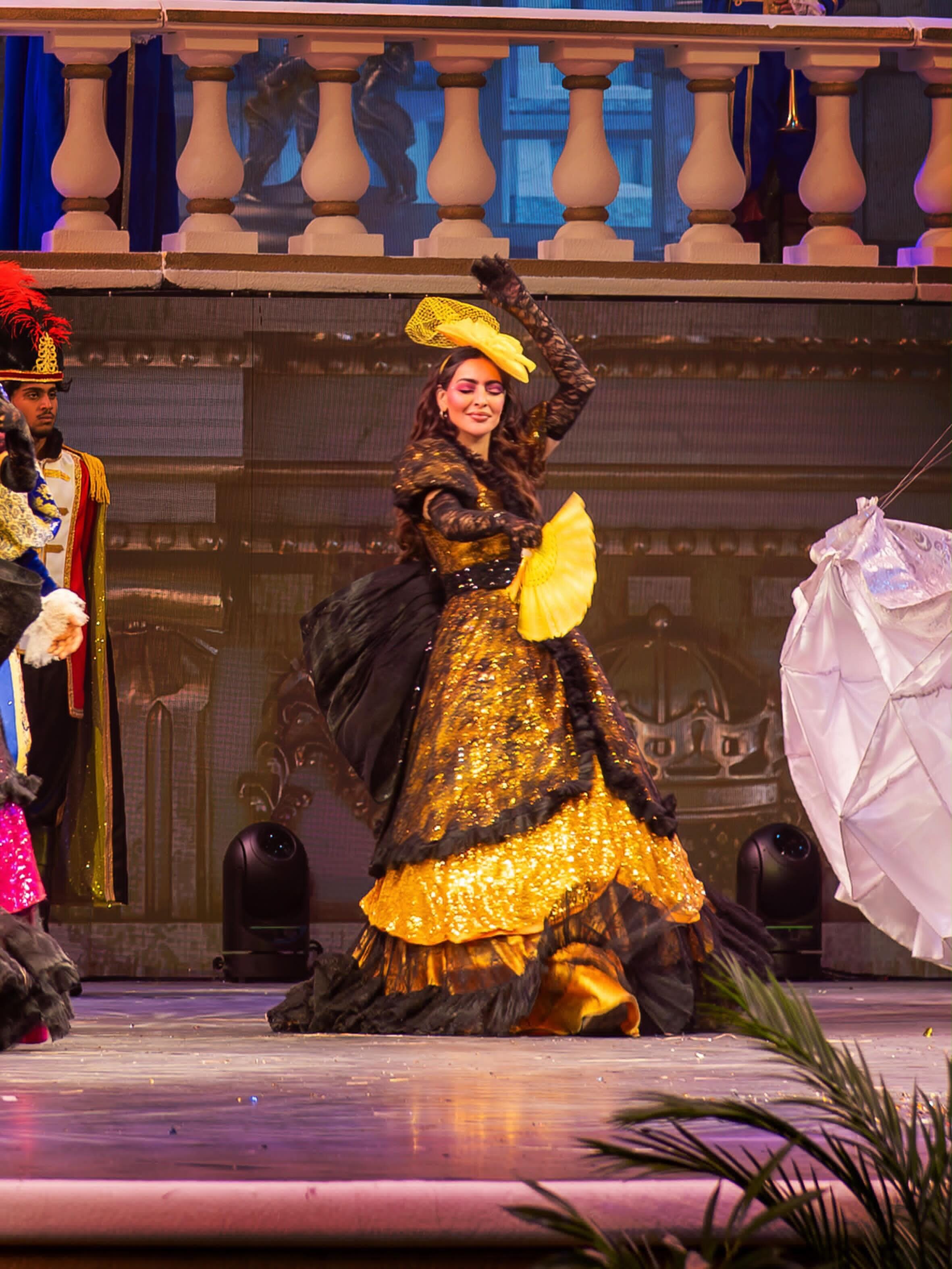
The theatre has recognised her elsewhere too. She won Best Supporting Actress at the Mohammed Abdulmohsen Al Kharafi Festival for Theatrical Creativity for When Dreams Are Born. She also won Best Leading Actress at the Asilah International Children's Theatre Festival in Morocco for The Princess and the Apple, a reminder that her stage work has reached young audiences well beyond Kuwait.
A style reinvented
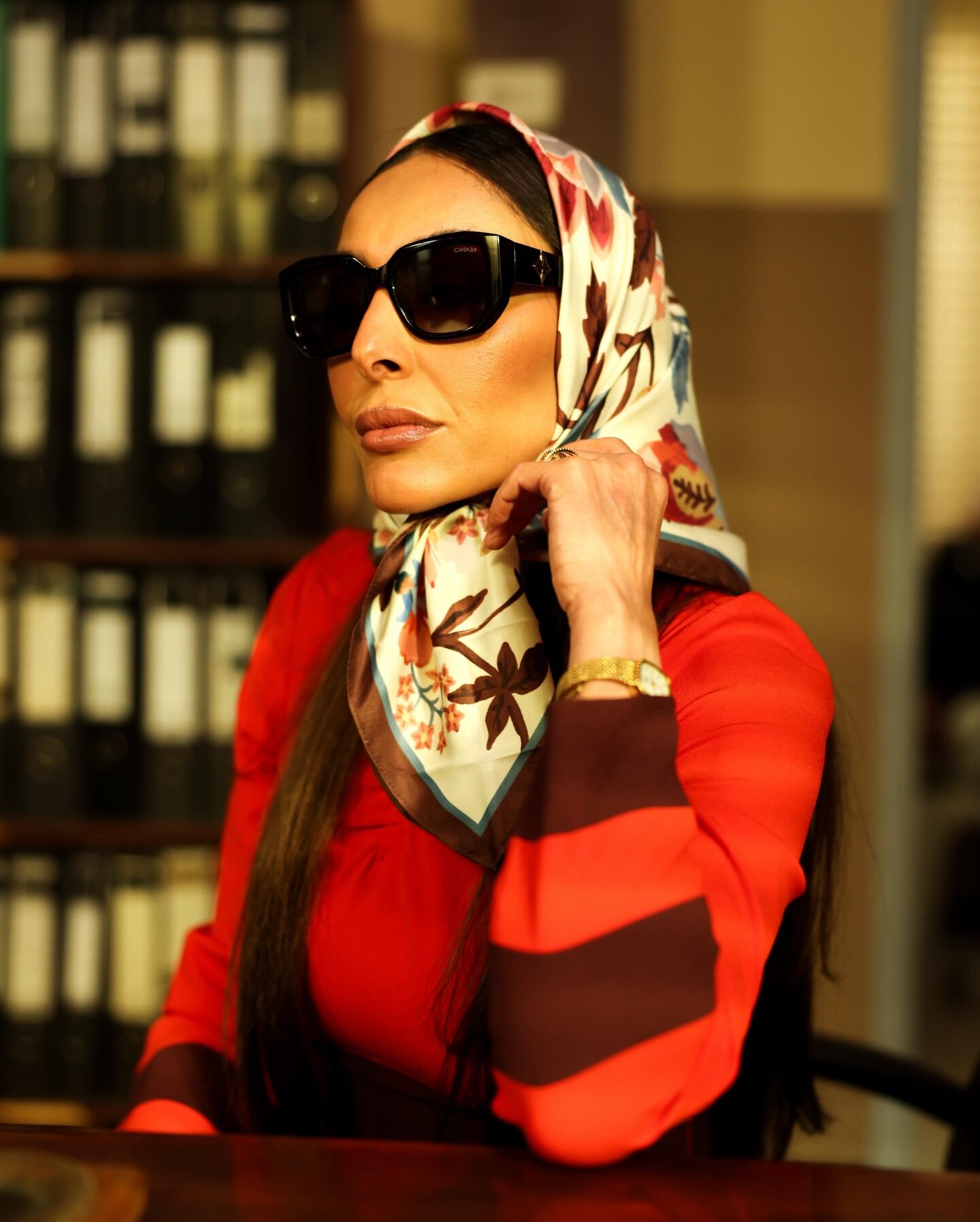
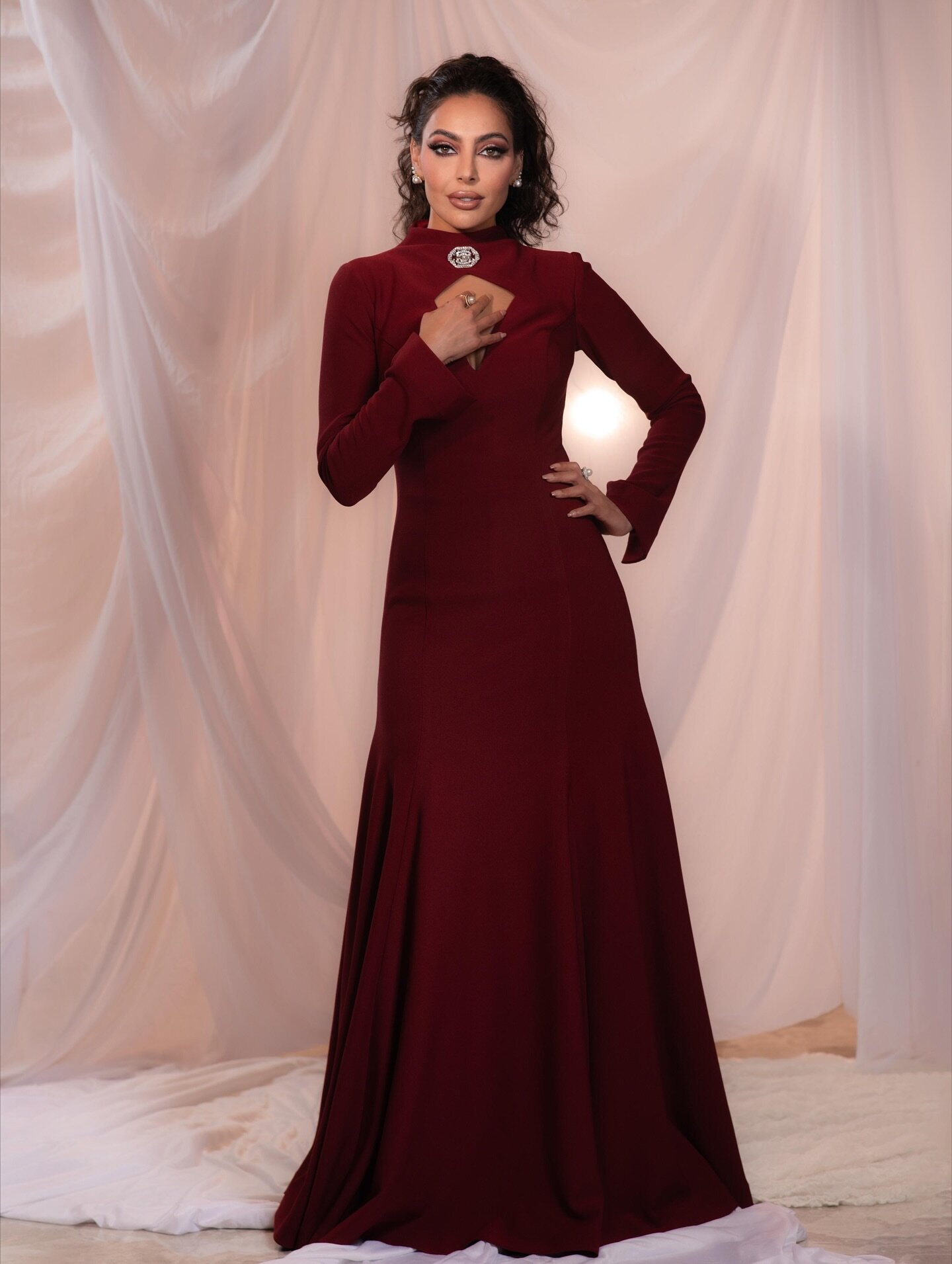
In recent years Al Safi has become as much a talking point for how she dresses as for what she plays. Her early public image leaned towards modest, practical looks: wide, comfortable cuts in calm, classic colours. Today her wardrobe is sharper and braver. She favours fitted silhouettes, shining or sculpted fabrics and unexpected cuts, and pairs them with statement beauty looks that regularly get people talking.
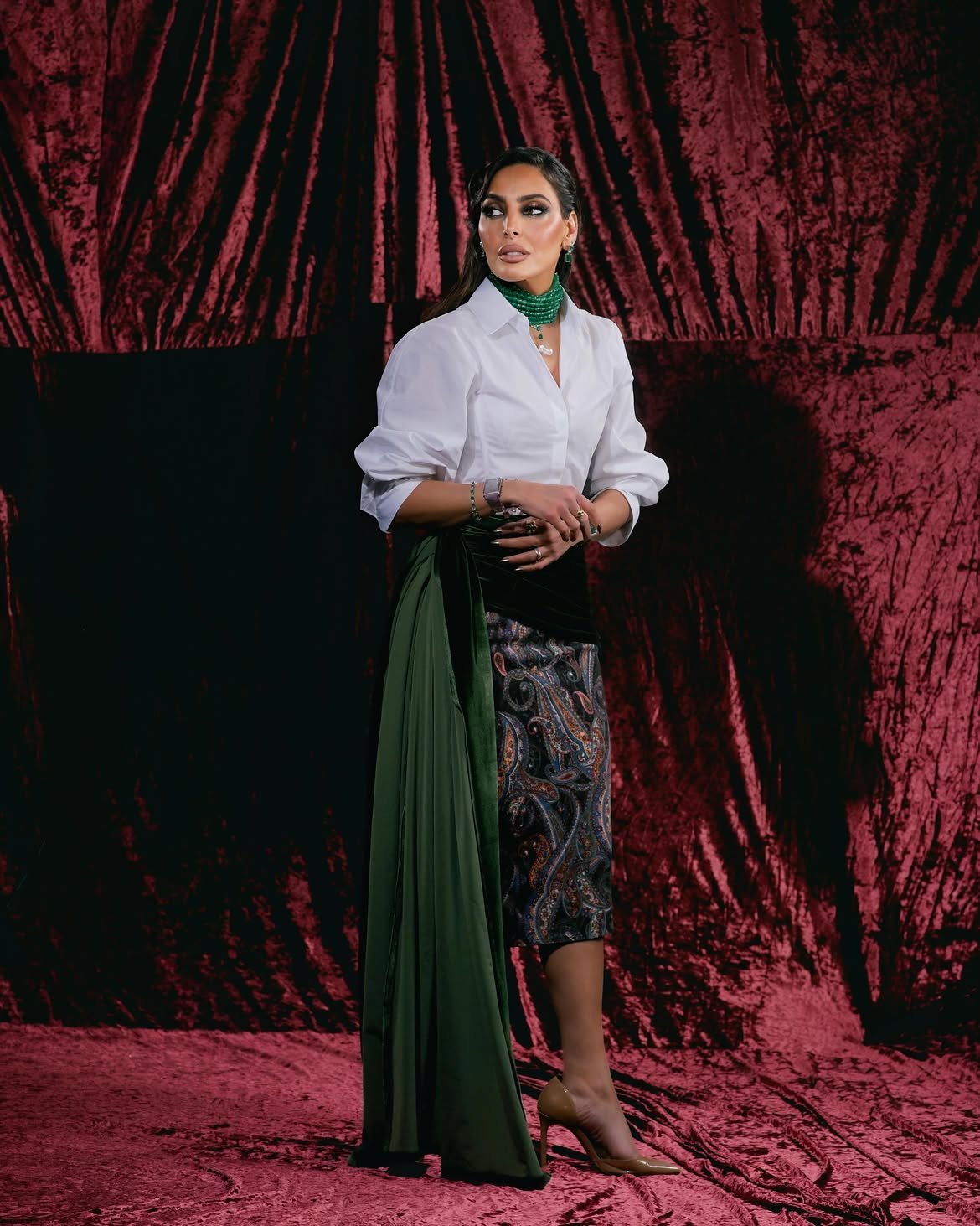
The shift is clearest on the red carpet. At the Bahrain Film Festival she wore a crisp white shirt over a paisley pencil skirt, wrapped in a dramatic green velvet sash and finished with a stacked emerald-bead choker. It is a look built on contrast: tailoring and drape, restraint and theatre. That balance runs through her whole career.
With millions of followers on Instagram, she has turned her own feed into a running lookbook, and the Gulf's style press has taken notice.
The DWN take
The easy version of Fatma Al Safi's story is the television one: a familiar face from the big Ramadan dramas, a name that sits comfortably next to Souad Abdullah and Hayat Al Fahad. The more interesting version is the one she keeps telling herself. She is a conservatory-trained actress and director who went back to the stage at the height of her TV fame and won its top acting prize.
That is why the style reinvention reads as convincing rather than calculated. She has always understood costume as character. Now the character is her.
Television made her famous. The theatre made her an actress. Happy 45th, Fatma.
Sources
Wikipedia: Fatima Al Safi
elCinema: Fatma Al Safi, biography and filmography
Mawdoo3: Fatma Al Safi (Kuwaiti actress and director)
Al Arabiya: Fatma Al Safi and The Sad Family win at the Kuwait Theatre Festival (22 December 2016)
Okaz: Fatma Al Safi's changing style
Sayidaty: Fatma Al Safi's beauty looks
Sayidaty: Six Kuwaiti actresses who moved into directing
Fatma Al Safi's Instagram (@me_alsafi)
